A completed collection of 36 biographical narratives of resistance, rescue and remembrance, drawing on archival evidence, survivor testimony and published scholarship. The subjects include Jewish women and non-Jewish rescuers. A documentary series based on their lives is in development; educational adaptations are being developed for schools, museums and community groups.
Read a Sample Chapter
Contents, the author’s message and the complete chapter on Róża Robota - free to read, 24 pages.
36
Women, documented
1933–45
Years of resistance
Book
Manuscript complete; preparing for publication
Film
Documentary series in development
A story from Women Without Fear
Róża Robota: the women who made revolt possible.
Arrival. Selection. Resistance. Three dramatised scenes place the women’s courage within the history of Auschwitz-Birkenau.
Róża Robota · AuschwitzDramatised visualisations
Train sequence · ½ speed
01 / Auschwitz · 1940–1945
The arrival.
Between 1940 and 1945, at least 1.1 million people were murdered or died at Auschwitz, including about one million Jews. At least 1.3 million people were deported to the camp complex, many arriving in crowded trains from across Europe.
The arrival ramp · Auschwitz-Birkenau
This was created for the Legacy Project, all rights held by Grant de Graf Productions.
02 / The arrival ramp
The selection.
On arrival, SS officials selected Jewish deportees for forced labour or immediate murder in the gas chambers. Families were torn apart; many children, older people and others deemed unable to work were killed without ever being registered as prisoners.
Crematorium IV · 7 October 1944
03 / 7 October 1944
The revolt.
Róża Robota helped pass gunpowder smuggled by women including Ala Gertner, Ester Wajcblum and Regina Safirsztajn to the Sonderkommando prisoners. On 7 October 1944, the prisoners rose in revolt and set fire to Crematorium IV — an act of defiance made possible by the women’s courage.
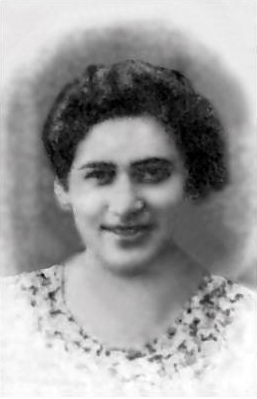
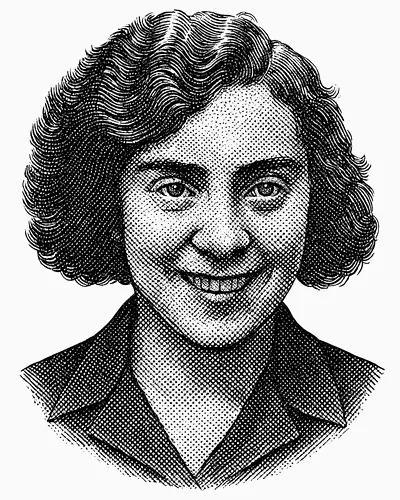
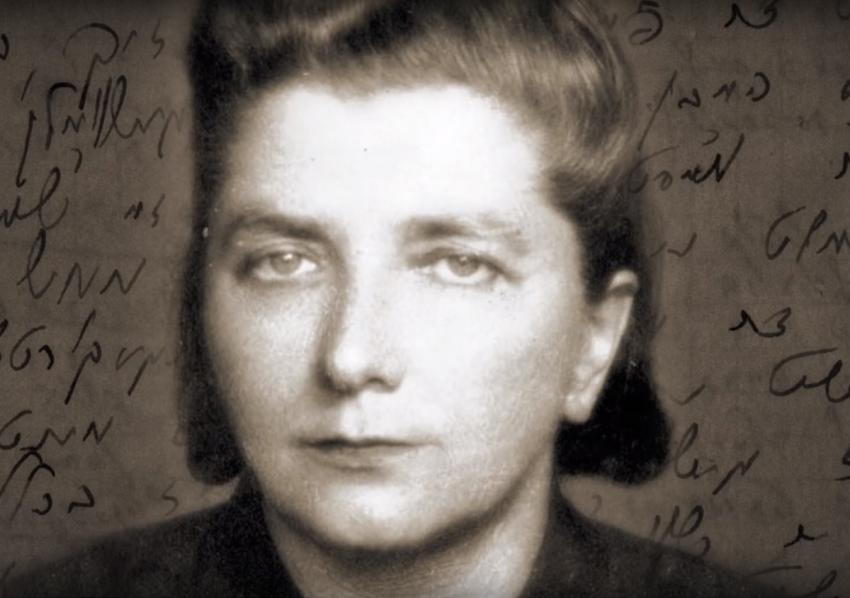
Róża Robota, before 1939. Original photograph, listed as public domain on Wikimedia Commons. The hedcut-style portraits on this site were created for the Legacy Project; all rights held by Grant de Graf Productions.
Róża Robota · 1921–1945
Remember the women behind the revolt.
The women who supplied the gunpowder helped make resistance possible inside Auschwitz. Their courage is part of the story told in Women Without Fear.
Auschwitz operated from 1940 until its liberation on 27 January 1945; the Auschwitz-Birkenau killing centre began operating in 1942. The death toll refers to the Auschwitz complex, which comprised three main camps and more than 40 subcamps.
Auschwitz-Birkenau was one of five Nazi killing centres identified by the US Holocaust Memorial Museum, within a system of more than 44,000 camps and other incarceration sites, including ghettos. Between 14 May and 9 July 1944, 142 trains brought about 420,000 Jews from Hungary to Auschwitz; that figure describes one deportation campaign. Arrivals occurred by night as well as by day, rather than establishing an uninterrupted 24/7 train schedule.
These supplied films are dramatised visualisations, not archival footage or exact architectural reconstructions. Arrival and selection provide the wider context; they do not portray a documented chain of events on the day of the revolt. The third film evokes the prisoners’ burning of Crematorium IV and the explosives supplied through the women’s network.
Hedcut-style illustration based on an archival photograph listed as public domain. Original photograph. Illustration created for the Legacy Project; all rights held by Grant de Graf Productions, subject to any source licence noted in the credits.
Auschwitz-Birkenau
Róża Robota
1921–1945
At Auschwitz-Birkenau, Róża Robota helped organise the clandestine transfer of gunpowder from women working in the munitions factory to prisoners preparing resistance. The explosives supported the Sonderkommando revolt of 7 October 1944. Her contribution shows how cooperation and resolve could sustain resistance even within a killing centre.
Hedcut-style illustration based on an archival photograph. Original photograph. Illustration created for the Legacy Project; all rights held by Grant de Graf Productions, subject to any source licence noted in the credits.
Bratislava
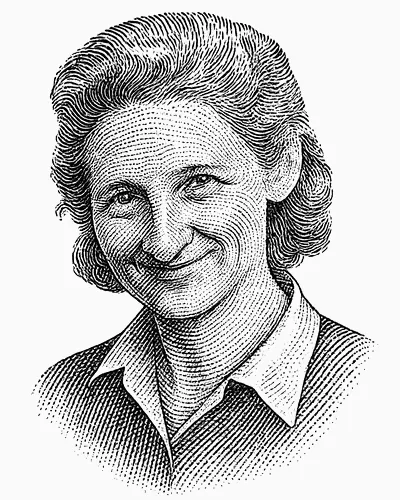
Gisi Fleischmann
1892–1944
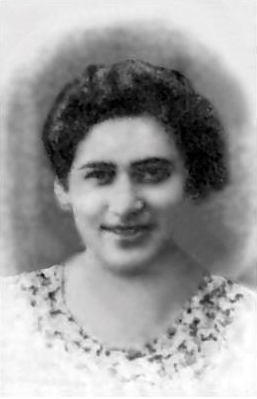
In Bratislava, Gisi Fleischmann helped lead the Working Group, an underground network that sought to protect Jews facing deportation. She helped raise funds, organise rescue efforts and negotiate with officials in an attempt to save lives. Her story reveals resistance through leadership, persistence and the difficult work of rescue.
Hedcut-style illustration based on an archival photograph. Original photograph. Illustration created for the Legacy Project; all rights held by Grant de Graf Productions, subject to any source licence noted in the credits.
Warsaw Ghetto
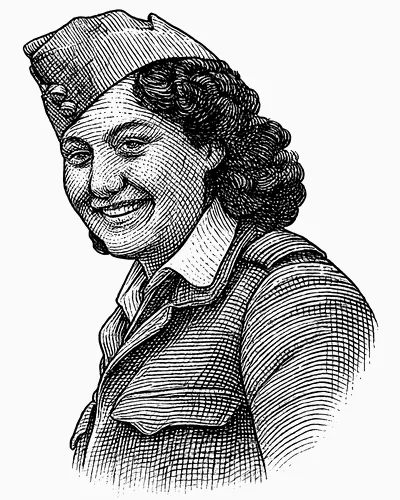
Rachel Auerbach
1903–1976
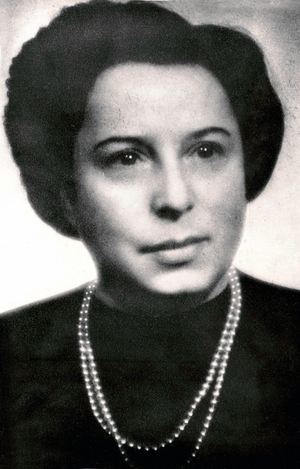
In the Warsaw ghetto, writer Rachel Auerbach contributed to the clandestine Oneg Shabbat archive, documenting Jewish life under Nazi persecution. By recording what she witnessed, she helped preserve a historical record the occupiers sought to erase. Her contribution demonstrates that testimony and the defence of memory were also forms of resistance.
Hedcut-style illustration based on an archival photograph. Original photograph. Illustration created for the Legacy Project; all rights held by Grant de Graf Productions, subject to any source licence noted in the credits.
Partisan resistance
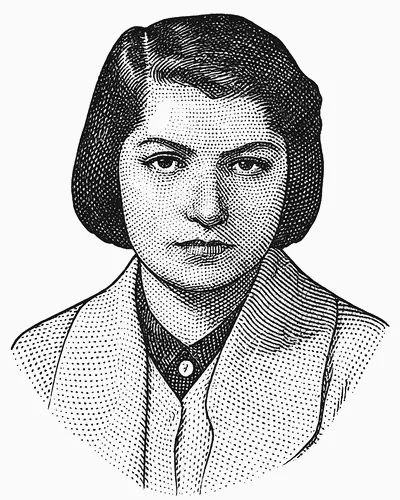
Faye Schulman
1919–2021
After surviving the destruction of her community, photographer Faye Schulman joined Soviet partisans. She served as a nurse and photographed life and resistance in the forests. Her images preserve evidence of Jewish participation in the partisan struggle, bringing together the work of survival, care and historical witness.
Rights: the hedcut-style illustrations were created for the Legacy Project, and all rights in them are held by Grant de Graf Productions, subject to any licence attached to a source photograph, as noted below. Source photographs are public domain or used under the licence stated by their source, and each is credited individually; where reuse permission has not yet been confirmed, the credit says so.
Róża Robota: photograph taken before 1939, photographer unknown. Via Wikimedia Commons, where it is listed as public domain under Polish copyright law for photographs published before 1994 without a copyright notice. Details of its first publication are not confirmed. Illustration by The Legacy Project.
Gisi Fleischmann: Fleischmann family archive, from the archive of Viera Kamenická, via Wikimedia Commons, licensed CC BY-SA 4.0. Adapted as a hedcut-style illustration by The Legacy Project; the illustration is shared under the same licence.
Rachel Auerbach: Source: Yad Vashem. Photographer and archival item not yet identified. Reuse permission has not been confirmed. Illustration by The Legacy Project.
Faye Schulman: Source: Jewish Partisan Educational Foundation (JPEF). Photographer and date not stated by the source. Reuse permission has not been confirmed. Illustration by The Legacy Project.
The portraits are hedcut-style ink illustrations (stippling and hatching) made with AI image tools from each archival photograph and checked against it for likeness. Hair and shoulders cut off in the photographs have been completed in the drawings, so small details may differ; each original photograph is linked. Credits identify sources only and do not imply endorsement.
These references provide historical background; linking to an institution does not imply its endorsement of the book or project.
See all 36 women featured in the book, with portraits
Select a portrait to read her story.
Roster portrait sources
Source photographs: public domain or used under the licence stated by their source (mostly Wikimedia Commons), as credited individually below; where reuse permission has not yet been confirmed, the credit says so.
Andrée Geulen-Herscovici: drawn from this photograph. Licence as stated by the source: Public domain.
Chajka Klinger: drawn from this photograph. Reuse permission has not been confirmed.
Ella Gärtner: drawn from this photograph. Licence as stated by the source: Public domain.
Ella Lingens-Reiner: drawn from this photograph. Reuse permission has not been confirmed.
Frumka Płotnicka: drawn from this photograph. Licence as stated by the source: Public domain.
Gusta Davidson Draenger: drawn from this photograph. Licence as stated by the source: Public domain.
Haika Grossman: drawn from this photograph. Licence as stated by the source: CC BY-SA 3.0. Later-life photograph.
Hannah Szenes: drawn from this photograph. Licence as stated by the source: Public domain.
Havivah Reik: drawn from this photograph. Licence as stated by the source: Public domain.
Hilde Meisel (Hilda Monte): drawn from this photograph. Reuse permission has not been confirmed.
Irena Sendler: drawn from this photograph. Licence as stated by the source: Public domain.
Irene Harand: drawn from this photograph. Licence as stated by the source: Public domain. Photographed 1969.
Judith Grunfeld: drawn from this photograph. Licence as stated by the source: Public domain.
Lonka Korzybrodska: drawn from this photograph. Licence as stated by the source: Public domain.
Luba Bielicka Blum: drawn from this photograph. Reuse permission has not been confirmed.
Luba Tryszynska-Frederick: drawn from this photograph. Licence as stated by the source: Public domain.
Masha Bruskina: drawn from this photograph. Licence as stated by the source: CC0.
Mira Fuchrer: drawn from this photograph. Licence as stated by the source: Public domain.
Muriel Gardiner: drawn from this photograph. Reuse permission has not been confirmed. Portrait 1934 by Trude Fleischmann (copyright likely held by her estate).
Noemi Szac-Wajnkranc: drawn from this photograph. Licence as stated by the source: Public domain.
Recha Sternbuch: drawn from this photograph. Reuse permission has not been confirmed. Chabad.org article; no photo credit given.
Regina Safirsztajn: drawn from this photograph. Reuse permission has not been confirmed. The only surviving photograph is badly blurred, so this likeness is approximate.
Renia Kukielka: drawn from this photograph. Reuse permission has not been confirmed. Budapest 1944; from the photo insert of The Light of Days (J. Batalion), via JWA.
Rosa Jochmann: drawn from this photograph. Reuse permission has not been confirmed.
Rozka Korczak-Marla: drawn from this photograph. Reuse permission has not been confirmed. Taken from a Hebrew book cover (fair use on Hebrew Wikipedia).
Sabina Zlatin: drawn from this photograph. Reuse permission has not been confirmed. Photographed 1987.
Sara Ginaite-Rubinson: drawn from this photograph. Licence as stated by the source: Public domain.
Tosia Altman: drawn from this photograph. Licence as stated by the source: Public domain.
Viola Stern Fischerová: drawn from this photograph. Reuse permission has not been confirmed. Centropa interview archive, photo c. 1950 (born Stern, Lučenec 1922).
Vitka Kempner: drawn from this photograph. Licence as stated by the source: Public domain.
Vladka Meed: drawn from this photograph. Licence as stated by the source: CC BY 2.0. Photographed 2005.
Zivia Lubetkin: drawn from this photograph. Licence as stated by the source: CC BY 3.0.
All roster portraits are hedcut-style ink illustrations made with AI image tools from the linked photographs, created for the Legacy Project. All rights in the illustrations are held by Grant de Graf Productions, subject to any licence stated for a source photograph above. Credits identify sources only and do not imply endorsement.
Join the publication list for Women Without Fear. We’ll email you when publication details and availability are confirmed. Signing up is free and does not reserve or purchase a copy.
Name and email required · telephone optional · no spam, unsubscribe anytime
Launch news is emailed to everyone on the list once publication is confirmed.
Why now
The window to preserve these stories is closing
Antisemitism is rising globally — and communities need historically reliable material to answer it.
The last direct witnesses are passing, taking living memory with them.
Jewish women's resistance remains underrepresented in mainstream historical accounts.
Young audiences respond to story and film — among the strongest tools for memory transmission.
Partnerships
Become a Partner
Bring these stories into your classroom, museum or community.
Work with The Legacy Project to share the lives of 36 women who defied the Nazi regime, and develop educational resources suited to your audience.
Tosia AltmanCourier, 1918–1943
Illustrative map, not to scale; routes are schematic. Portrait: hedcut-style illustration created for the Legacy Project from a source photograph licensed as public domain.
Explore researched stories from Women Without Fear.
Access selected project materials for educational use.
Develop teaching resources together, shaped around your learners.
Create exhibitions, talks and discussions for your community.
Collaborate on new educational projects and adaptations.
You enter your details with us, then complete the gift on our fiscal sponsor's secure page. There is no minimum, and every level supports the same work.
Considering a leadership gift of $10,000 or more? Contact us to discuss a named educational or distribution initiative.
The narratives draw on historical records, testimony and published scholarship. Selected historical references accompany the introductions above; the sample includes further reading.
Action-oriented
Educational adaptations are in development. Educators and museums are invited to advise on age suitability and pilot materials.
Lean and transparent
Donations support publication, educational resources, distribution and the administration needed to deliver that work.
Tax-deductible through our fiscal sponsor. The Legacy Project operates under the fiscal sponsorship of Ner L'Horeinu, Inc., a U.S. 501(c)(3) organization (Federal Tax ID 83-1635608). Donations are processed securely and are tax-deductible to the extent allowed by law.
The founder
Grant de Graf
Writer and filmmaker, and the author of Women Without Fear. He brings a filmmaker's discipline to the work — rigorous sourcing, cinematic craft, and the conviction that honoring courage means telling these stories with the same precision the people in them brought to their own lives.
Thirty-six stories filled a book; thousands more remain documented and largely untold. The Legacy Project grew out of that work.
The organization
The Legacy Project connects historical storytelling with education
Educational materials and public programming are in development, with institutional collaboration invited to support their suitability for schools, museums and community groups.
Film & documentary
A documentary series is in development, drawing on historical sources and intended for broadcast, streaming and educational use.
Combating antisemitism
Historically grounded storytelling intended to support education, remembrance and informed discussion of antisemitism.
On the horizon: Women on the Frontline, a docu-series in development that extends our storytelling to women whose courage shaped history beyond the Holocaust.
Support the work
Create your legacy in the work
Your gift supports publication of the completed manuscript, educational adaptation and distribution. Gifts of any amount are welcome.
1
Enter your details. Add your name and email so we can acknowledge your gift and keep you updated.
2
Complete on our sponsor's secure page. You'll be redirected — select "Other" and enter The Legacy Project.









.jpg)


.jpg)


.jpg)


.jpg)
